So, you’ve decided to add a metal building to your property. Maybe it’s the dream workshop you’ve been planning for a decade, a high-clearance metal garage for the RV, or a commercial steel structure to house your growing business.
You’ve looked at the kits, you’ve picked the colors, and you’ve visualized the concrete pour. Then comes the phrase that stops most projects dead in their tracks: “Where is your building permit?”
At Integrity Welding & Construction, we’ve seen it all. We’ve seen DIY projects get red-tagged by the city on day one, and we’ve seen commercial builds breeze through approval because the paperwork was bulletproof. In 2026, the landscape for metal building permit requirements has shifted. With new environmental standards and updated building codes, “winging it” is no longer an option.
This guide is your roadmap to navigating the metal building permit process without losing your mind—or your budget.
Do You Really Need a Permit for a Metal Building?
The most common question we get is: “Do you need a permit for a metal building if it’s on my own private land?”
While we’d love to tell you it’s your land and your rules, the reality of 2026 land use regulations is more complex.
In almost every jurisdiction—residential or commercial—you need a permit for any permanent structure over a certain size (usually 120 to 200 square feet).
Why the scrutiny?
It isn’t just a “tax” by the local government. Permits ensure three things:
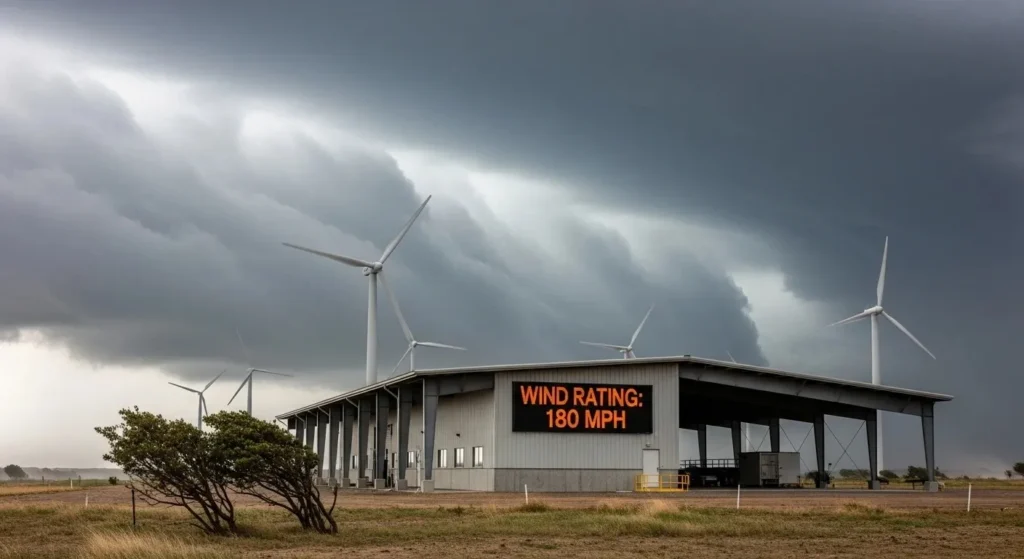
- Safety: Ensuring the foundation requirements and wind/snow load regulations are met so the building doesn’t collapse in a storm.
- Liability: If an unpermitted building catches fire or sustains damage, many insurance companies will flat-out deny the claim.
- Resale Value: Try selling a property with an unpermitted 2,000-square-foot steel shop. Title companies and inspectors will flag it, often forcing the seller to tear it down or pay massive fines to retro-permit it.
The 2026 Metal Building Permit Process: Step-by-Step
Navigating the local municipality rules can feel like learning a second language. Here is the typical workflow we manage for our clients at Integrity Welding:
Phase 1: The Pre-Check (Zoning Laws)
Before you spend a dime on a steel kit, check your zoning laws. Zoning determines “use.” You might have the space for a massive metal garage, but if your land is zoned purely residential, you might be prohibited from running a commercial business out of it.
This is where you check setbacks—the mandatory distance your building must stay away from property lines, septic tanks, and power lines.
Phase 2: Site Plan Requirements
Your site plan is a bird’s-eye view of your property. In 2026, many counties require digital CAD drawings. This plan must show:
- Existing structures and driveways.
- Proposed location of the metal structure.
- Drainage patterns (to ensure your new roof doesn’t flood your neighbor’s yard).
Phase 3: Structural Engineering Approval
This is the “heavy lifting” phase. You cannot simply hand the permit office a brochure of the building.
You need structural engineering approval. This usually involves “wet-stamped” drawings from a licensed engineer in your state, confirming that the steel gauge, bolt patterns, and frame design meet local building code compliance.
Phase 4: The Application Submission
You’ll fill out the permit application form and pay your initial permit fees. This is where the waiting game begins. In 2026, approval timelines vary wildly—from two weeks in rural areas to three months in booming suburban hubs.
Breaking Down the Costs: 2026 Estimates
Budgeting for a metal building is more than just the price of the steel. The metal building permit cost is a variable that catches many off guard.
| Cost Category | Estimated Range (2026) | Why it varies |
| Basic Permit Fee | $250 – $2,500 | Based on project valuation/square footage. |
| Engineering Stamps | $500 – $1,500 | Required for custom or large-span designs. |
| Plan Review Fee | $100 – $500 | Charged by the city to actually read your plans. |
| Environmental/Impact Fees | $0 – $3,000 | Common in high-growth areas for infrastructure. |
The “Hidden Costs” of Compliance
Beyond the sticker price of the permit, you need to budget for:
- Foundation Requirements: A permit isn’t just for the steel; it’s for the concrete. If your soil is sandy or expansive, the city may require a geotechnical report (soil test), which can add $1,500 to your pre-construction costs.
- Inspection Charges: Most permits include a set number of visits. If you fail an inspection because a bolt wasn’t tightened or the rebar was spaced incorrectly, you’ll face re-inspection charges (typically $75–$200 per visit).
Residential vs. Commercial Permits: A World of Difference
If you’re building a backyard shop, the process is relatively linear. However, steel building permits for commercial use involve a much higher level of scrutiny.
Residential Permit Focus:
- Aesthetic “harmony” with the neighborhood.
- Correct setbacks from property lines.
- Basic electrical safety.
Commercial Permit Focus:
- Fire Suppression: Does a 5,000-square-foot warehouse require a sprinkler system? (In 2026, the answer is increasingly “yes”).
- ADA Compliance: You must provide accessible parking and entries.
- Land Use Regulations: Includes “Green Space” requirements and paved parking quotas.
- Occupancy Load: How many people will be inside? This changes exit light requirements and door swing directions.
Inspection Stages: What the Inspector is Looking For
Once you have the permit in hand, the work is just beginning. You will have several inspection stages where a county official will visit the site:
- The Setback/Form Inspection: Done before you pour concrete. They check that the building is in the right spot and the rebar is placed per the engineered drawings.
- The Framing/Slab Inspection: Once the main steel rigid frames are up, they check the connections. At Integrity Welding, we take pride in our structural welding—this is where our craftsmanship is officially verified.
- The Rough-In: If you’re adding plumbing or electric, these systems are inspected before the walls are finished or insulated.
- The Final Inspection: The “grand finale.” They check for trim, proper drainage, and safety features. Only after this do you receive a Certificate of Occupancy.
Common Errors & Rejection Reasons: Why Projects Stall
Nothing is more frustrating than a permit rejection. Based on our experience at Integrity Welding & Construction, these are the top common errors that cause delays in approval:
- Incomplete Documentation: Forgetting to include the manufacturer’s “Letter of Certification” for the steel.
- Outdated Codes: Submitting plans based on 2021 codes when the municipality has adopted the 2024 or 2026 IBC (International Building Code).
- Inaccurate Site Maps: Using a hand-drawn map that isn’t to scale.
- Ignoring Easements: Trying to build over a buried utility line or a “no-build” zone indicated on your property deed.
The Integrity Difference: Why Professional Guidance Matters
At the end of the day, a metal building is an investment in your future. You can try to navigate the maze of how to get a building permit for a metal structure on your own, or you can partner with a team that speaks the language of the inspectors.
At Integrity Welding & Construction, we don’t just provide the labor. We provide the peace of mind that comes with knowing your structure is 100% legal, safe, and built to last well beyond 2026.
We handle the structural engineering approval and ensure every weld meets inspections & compliance standards.